
2025
Hope Report
Put the coffee on and p-p-pick up a penguin…
(Approx 10 minute read)
Coming up…
Opportunity & Growth
Overview
Water
Livelihoods & Food Security
Primary & Early Years Education
Local Support
Fundraising
Powerful People
A message from our CEO, Tom Herring
Opportunity & Growth
I love Guernsey, but things don’t feel easy at the moment do they?
There are challenges facing many on a level we might not have seen in a while — the cost of living is painful and even finding a place to live has become a real problem for a number of people.
It is definitely a time to be looking out for one another and come together.
Shouldn’t we be looking out for ourselves?
Unsurprisingly times like these lead to conversations about how much we should be helping others outside the island. Why spend money to assist others when we are struggling?
I think it is an important question, and I understand the sentiment. However, this way of thinking ignores the demonstrable benefits of considering the needs of people in other places, whilst maintaining strong internal ties.
The gains of altruism when it doesn’t immediately credit the giver are well documented — givers are happier people. In addition, collaborating with others outside to solve problems brings about opportunities for innovation and growth. If we want more prosperity on the island, we need growth. Growth requires innovation. Innovation requires open minded people doing new things that add value to the community. Collaborating with other places in any form is a wonderful way to feed this process.
Supporting one another and celebrating shared culture and heritage is critical, but I do believe having the courage to look outward even in hard times is essential for our wellbeing on many levels.
We should not be coerced through guilt or any other means into giving; helping others needs to be an empowered choice. (Maybe a‘tax-choice’ system could be a better way of doing government overseas aid in Guernsey, where residents choose how a % of their tax bill is used, including whether it goes overseas or not?)
We are free people, and I love systems that empower people to make their own informed decisions. There are wonderful social and economic benefits of looking outward if we are empowered to do so, rather than forced.
I would personally like to say a huge thank you for making the powerful decision to help children living in poverty to thrive by supporting Hope for a Child. We could not do it without you.
Enjoy finding out how your support is changing the world for children and their families.

Tom Herring
CEO
Our financial report for 2025 will be available on our website by the end of September 2026, with detailed information on how we generated and spent funds to change lives in 2025.
2. Overview
In 2025 our work directly benefited 7,192 people in Malawi, in the key areas of Livelihoods, Water & Sanitation and Primary Education
This included 4,783 children and 3,909 adults.
On top of these individuals, there were significant indirect positive impacts on an estimated further 6,732 children.
Examples of someone benefiting directly are, a child who can now access safe drinking water or a parent who learns how to run a profitable micro enterprise.
An example of someone benefitting indirectly is a child whose parent is accessing important services like a Village Bank and business training.
Esita’s experience is a great example of how this works in practice…
Simple, but life changing
Like many, Esita grows maize each year to feed her four children. Lots of it.
If you go to rural Malawi in March you will find fields of tall maize stalks swaying in the breeze as far as the eye can see.
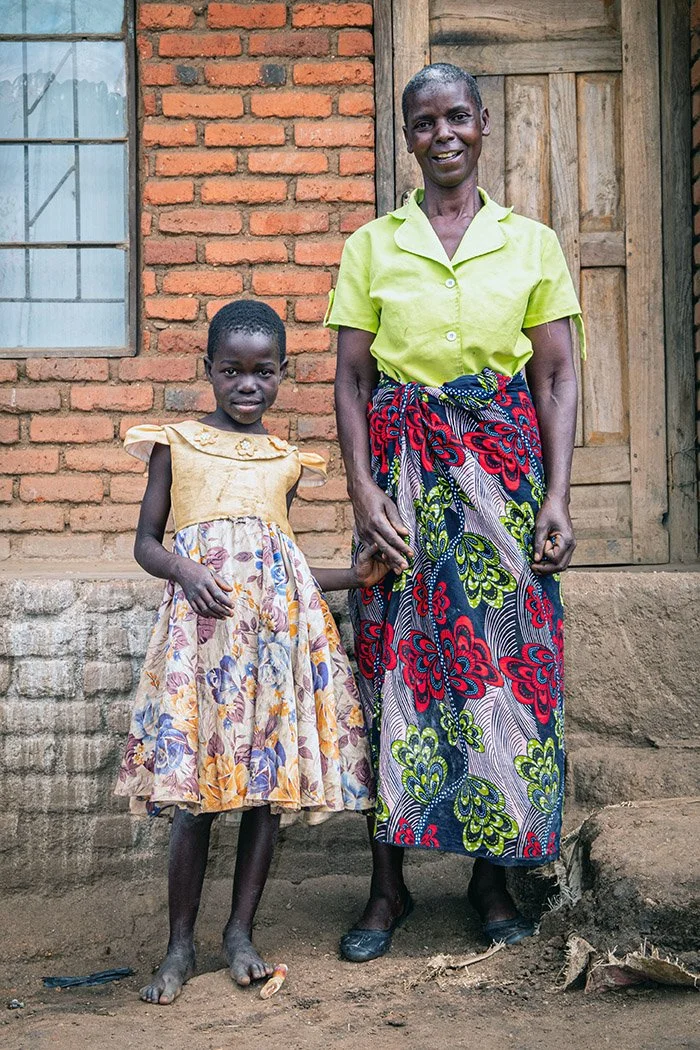
When the maize is harvested it is dried in the sun, then stacked inside in 50kg sacks. Bit by bit, the sacks are hauled to a local maize mill, whizzed into flour then taken back home and eaten daily as ‘nsima’, often with vegetables from the garden or the market. In good years there might be surplus maize to sell.
Farmers like Esita have been hit hard in recent years by big increases in fertiliser prices. Millions are being pushed into an ever more precarious situation. Every farmer knows, if there is no food in the soil, there will be no food on the table.
That is where we come in.
Esita is a member of a Village Bank — a group of community members who pool their savings, issue loans to one another and learn about how to run a small business.
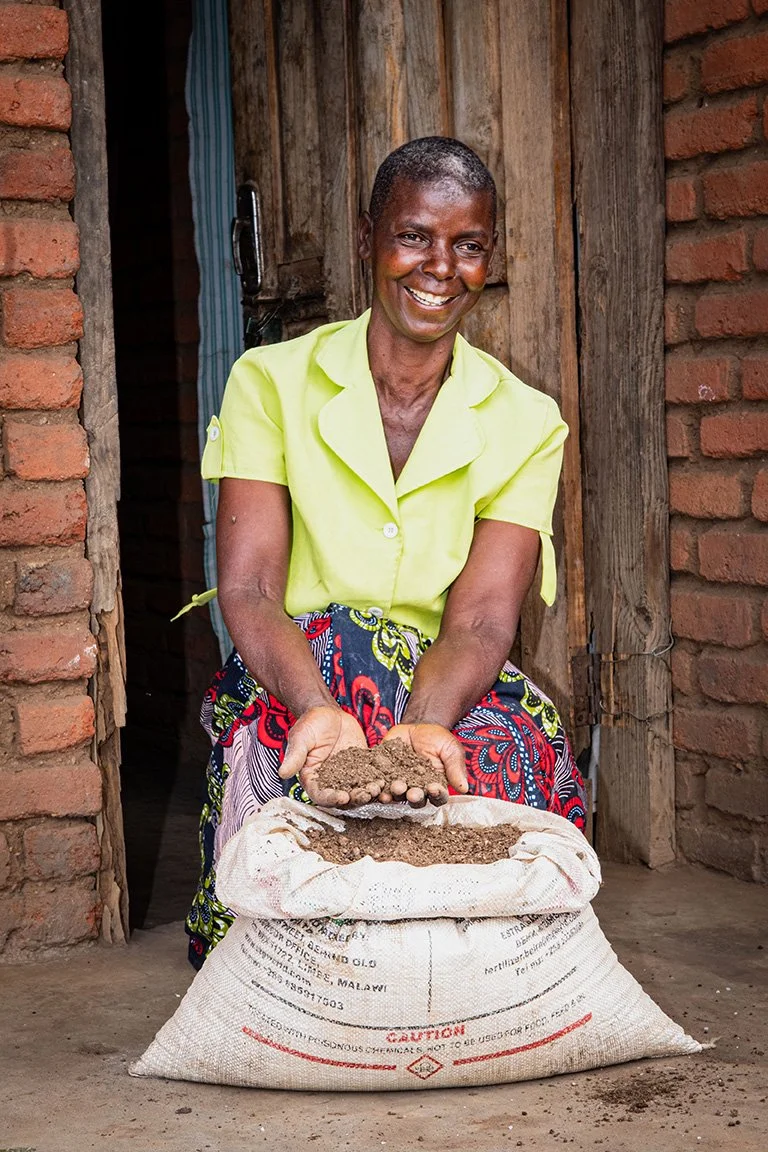
The group has been established through our partnership with Rhema, who trained the members in obtaining good yields without the use of chemical fertiliser, using a mixture of composted manure, leaves and wood ash. This was new information — there is an entrenched view that the only way to grow enough food is through the use of expensive chemical fertilisers.
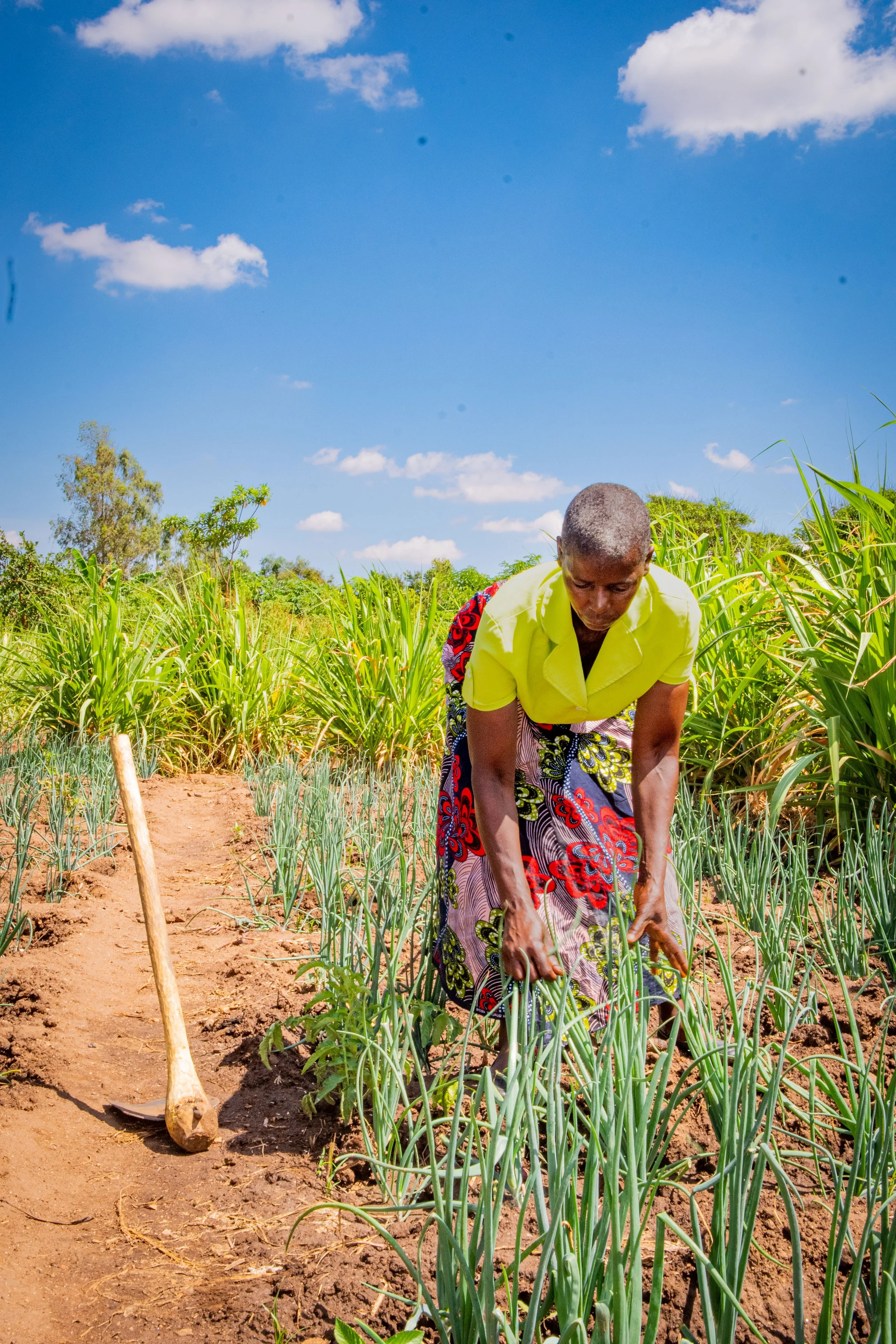
Using a loan of £50 from her Village Bank, Esita made up five sacks of the lovely stuff and purchased seed.
This is how it looks…
Esita’s crops are flourishing and she is expecting a big harvest — this means food security for the family this year.
In 2025 Esita also decided to have a go at growing onions — a valuable and highly nutritious crop. This is a great development for her and her household.
This all seems straightforward… Why are we so excited?
This is a simple intervention, but many transformational things are.
Here are three of the reasons we love this project:
1)Resilience — hundreds of men and women are no longer vulnerable to skyrocketing fertiliser prices. For households teetering on the brink of destitution, increasing resilience is the goal.
2) This approach feeds the soil for long term health rather than depletes it for short term gain. Soil health is the basis for our existence. If this approach is followed along with other conservation techniques, Esita’s great grandchildren could farm on the same plot with great results.
3) This approach reduces carbon emissions, since carbon-intensive synthetic fertilisers are not required and soil carbon sequestration is increased due to the regular addition of organic matter.
3. Water
In rural Malawi access to safe water is gradually improving. Although progress is slow, we are excited to be a contributor to this trend.
We want to help to continue progress at an accelerated rate. It is estimated that 40% of people still do not have a water supply within a 30 minute round trip. The burden of water collection falls upon women and children, who spend enormous amounts of energy and time collecting water, having a detrimental impact on livelihoods and health.
The social return on our investment in water and sanitation is huge. We can have an big impact on people's lives, enabling them to access safe water, with a modest investment of around £30 per person.
In 2025 we constructed new water supplies and trained management committees in 2 communities with no safe water access, providing a supply to 2,464 people.
One of the water sources constructed in 2025 was at Nthizi Primary School in northern Malawi — as well as the surrounding households, the children have access to water at school for drinking and washing.
“We used to walk one and a half hours to for water from the nearest borehole. This was very hard for us and we could not do any other productive activity in our homes apart from house chores.”
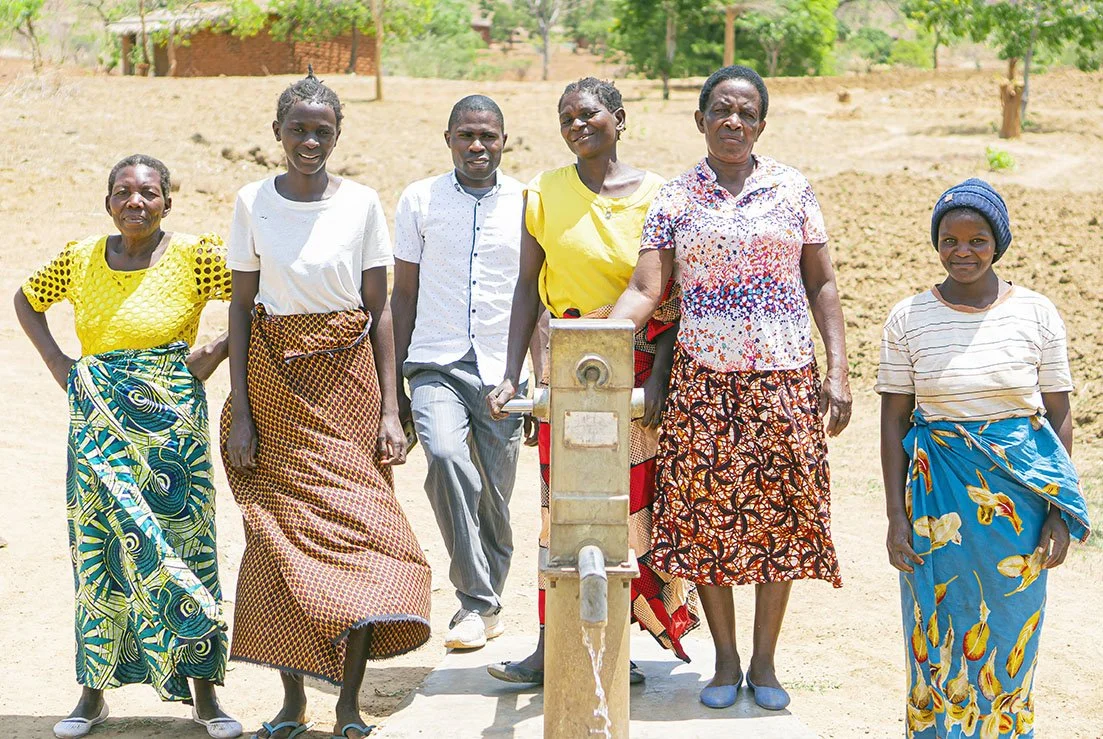
Nthizi water supply management committee
Oil and Water
We don’t need to tell you how fragile things feel right now on a global level.
The world is volatile, and we have become so interconnected that big shocks impact everyone, everywhere. These impacts are disproportionately great where economies are struggling, and for the most vulnerable people within those societies the pain is severe.
Let me give you an example impacting our work.
Our social enterprise Hope Water supplies piped water to over 1,000 households in central Malawi who would otherwise have little access water. Since 2020, the price of diesel has increased by around 9 times.
It has now become too expensive for us to pump water. Passing on the cost to users would make the supply prohibitively expensive.
Without outside help, what options does a local enterprise have in this situation?
Fortunately, because of your support, we can do something to overcome this and are working to maintain the supply to these vulnerable customers by increasing the use of solar power to reduce dependency on diesel.
The Multiplier Effect
Water supply not only dramatically improves welfare of domestic users but is essential for local economic development.
Many commercial ventures have been made possible because of the presence of Hope Water, big and small — restaurants, shops, hair salons, factories, lodges and private and civil construction projects.
Investing in water supply has a compounding effect — £1 invested in water access is multiplied many times in the local economy, particularly in areas where there is a lot of economic activity.
This is one of the reasons we like to work in different sectors — supporting communities with both water & sanitation and livelihoods interventions creates impacts greater than the sum of those efforts implemented separately.
These are some examples of the impact of Hope Water on the local economy:
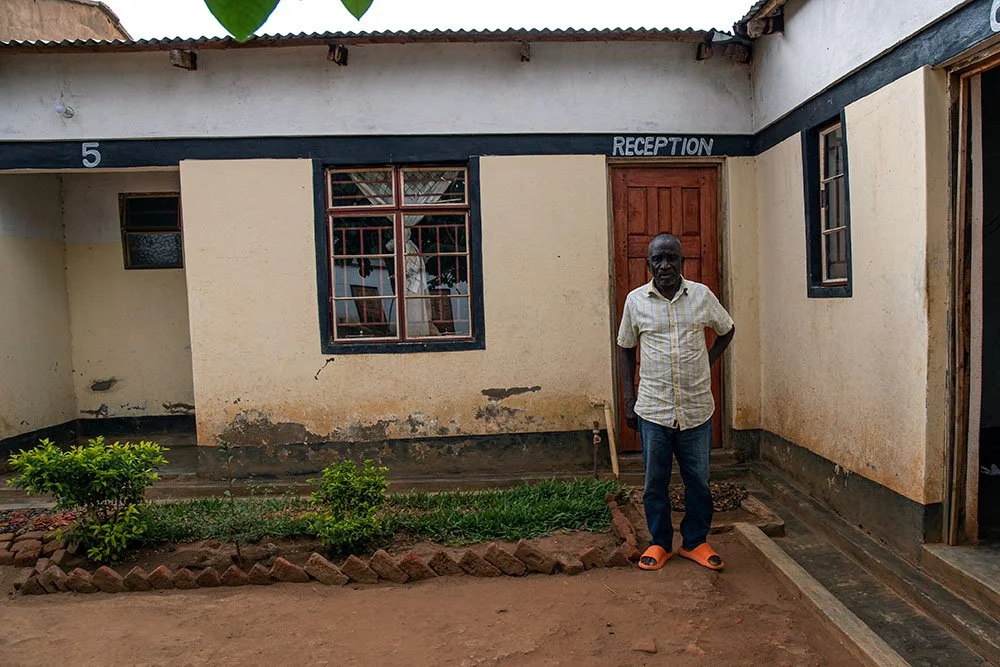
Mr Frank is delighted to have running water in his lodge — a vast operational improvement, since fetching enough water from public water points was extremely challenging and expensive.
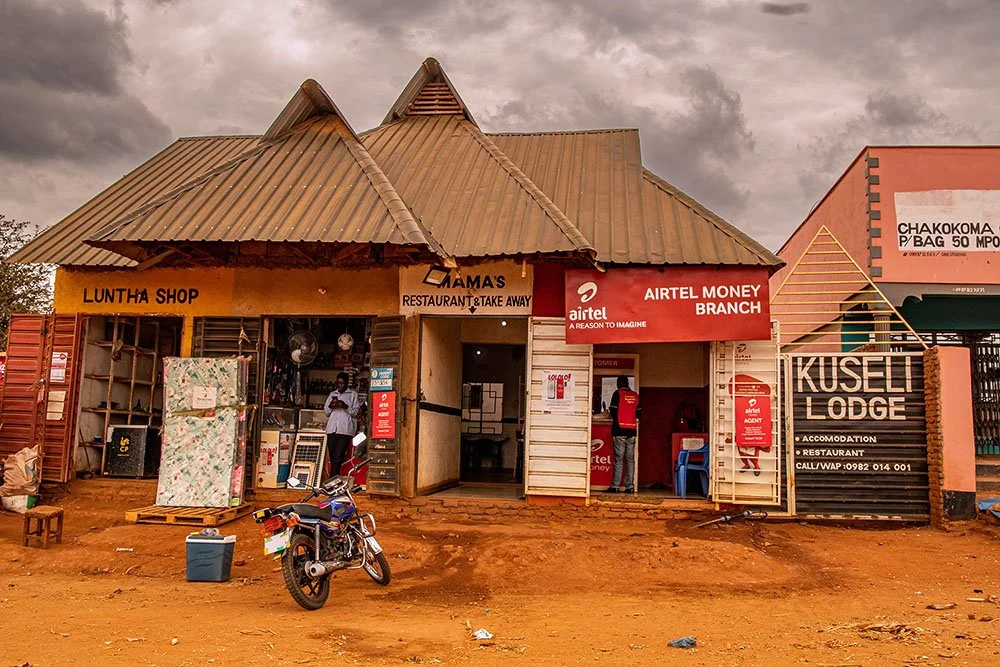
Mr Mwangorera’s business has been growing to levels he never expected. He has constructed shops, a restaurant and a lodge using the Hope Water supply.
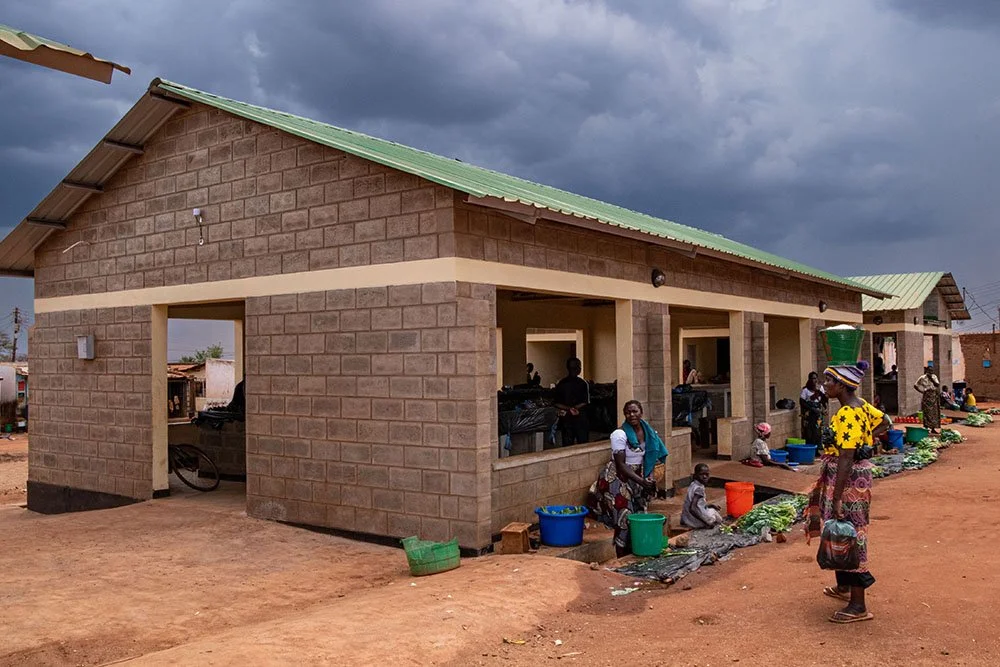
Hope Water operates in an important market centre along the main road. Until recently there has been no formal structure to serve the hundreds of vendors whose livelihoods are built on selling in the area — leaving the vendors and their produce to the mercy of heavy downpours and searing hear. Now that water is available, the government has constructed covered market buildings
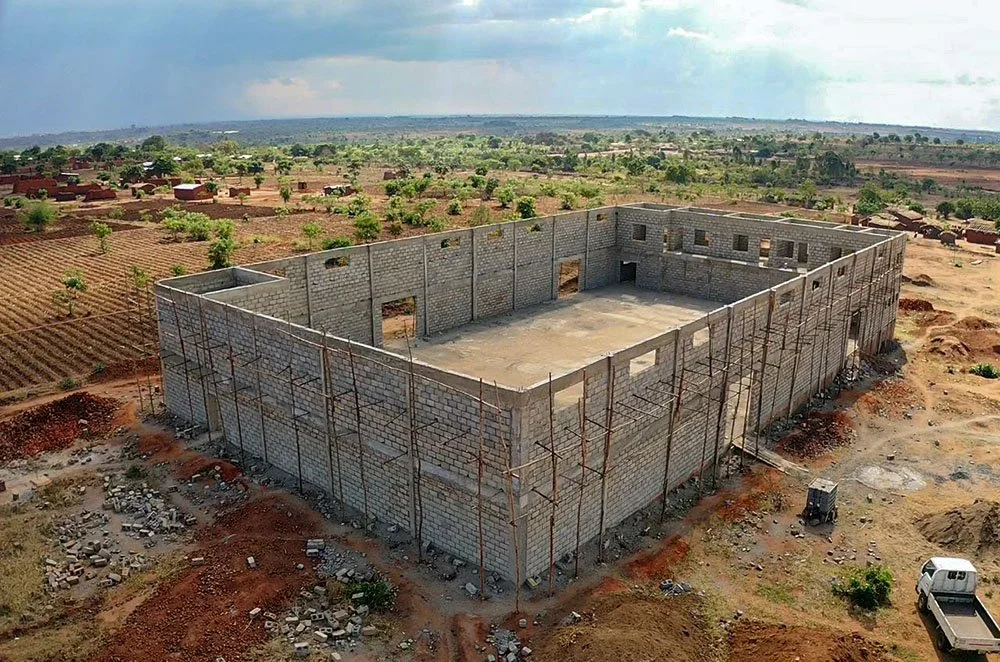
Construction requires a lot of water. With no reliable and accessible supply, building on a significant scale is not economically feasible. One business woman is now constructing this cooking oil plant using Hope Water supply.
4. Livelihoods & Food Security
We aim to reduce the vulnerability of children and their families living in poverty.
We do this by helping parents and carers become more resilient to shocks (like skyrocketing fuel prices or a poor growing season) through the accumulation of assets that provide some kind of safety net — livestock, tools, a vehicle etc.
Since we work in rural areas where there are limited employment opportunities to generate income to buy assets, we go about this by helping people to run profitable small-business.
The majority of people are farmers, so this is where we start. The added benefit of helping people farm commercially is that it directly improves household nutrition — a bigger range of nutritious foods, like sweet potatoes, tomatoes, beans and meat become available to children.
To achieve this, we facilitate access to basic financial services, to training in agriculture and business and to markets.
This helps overcome the 3 big gaps experienced by entrepreneurs in rural areas:
Capital
Knowledge
Market access.
Violet’s experience is one of the hundreds of stories that could be told to demonstrate what this looks like.
A small loan can change everything
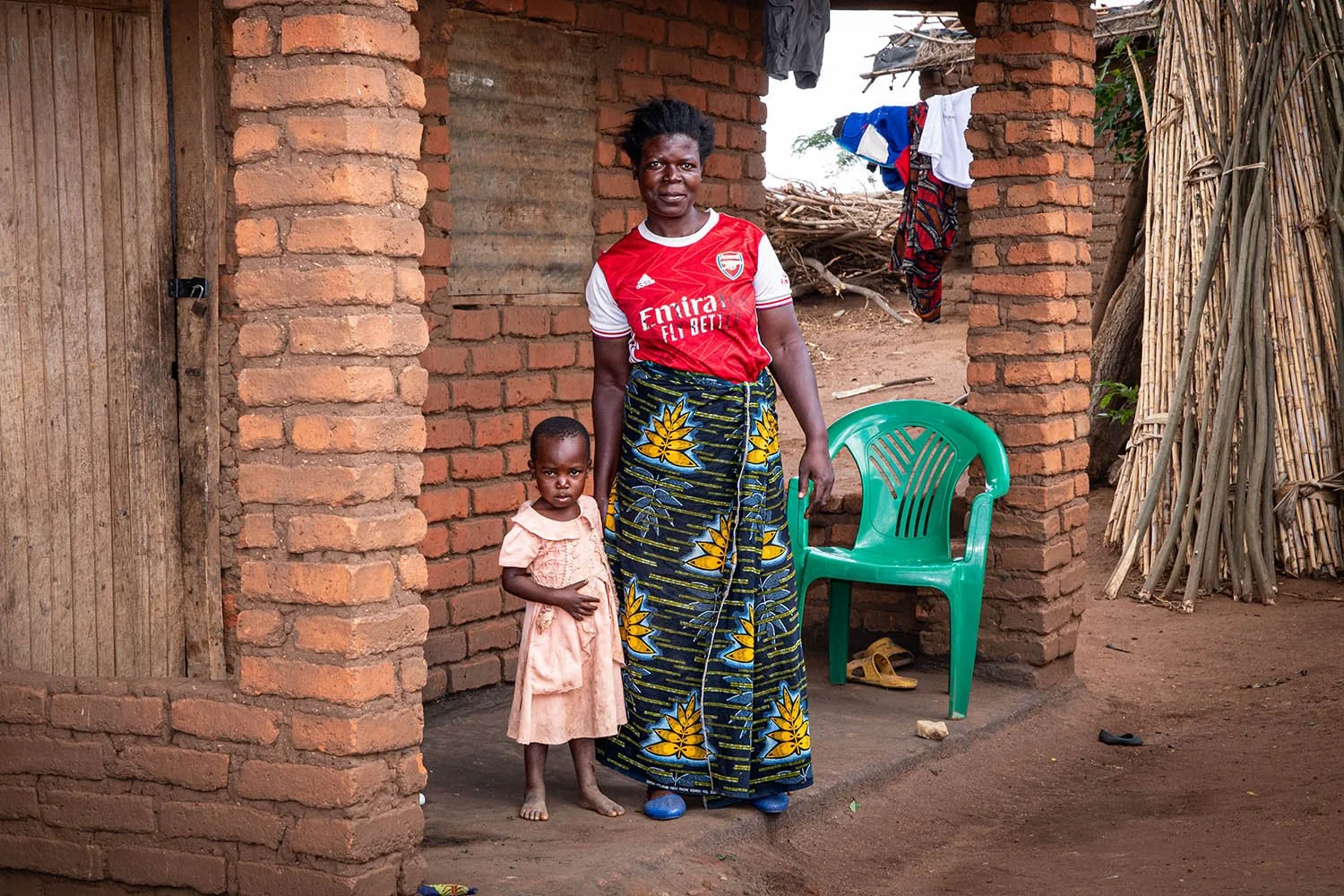
Violet and her daughter outside their new home
Like a seed, a small loan can produce a great tree.
Along with some guidance on where to plant and how to care for it, a single investment can change the trajectory of a family's life.
Violet Gibson has experienced this miracle.
Violet is a mother of five and a member of Katsongole Village Bank in Chipelepete Village. Before becoming a member she was highly frustrated about meeting basic needs for the family.
“I used to feel heavy in my heart wondering how to feed my family each day… Not to speak of school fees for my children. I was hopeless”.
Life began to change for Violet when she joined the supportive environment of her Village Bank and took a loan of £25.
With some guidance she used the capital to start a small business selling maize and tomatoes.
Despite many bumps along the way, things have not been the same since. Through her determination she has constructed her own home with the business proceeds, above.
“I am able to send my children to school with confidence since I am able to pay their school fees, I and my children feel safe because of the house I built,” she said.
Violet has diversified into livestock farming; buying pigs with profits from the tomato business.
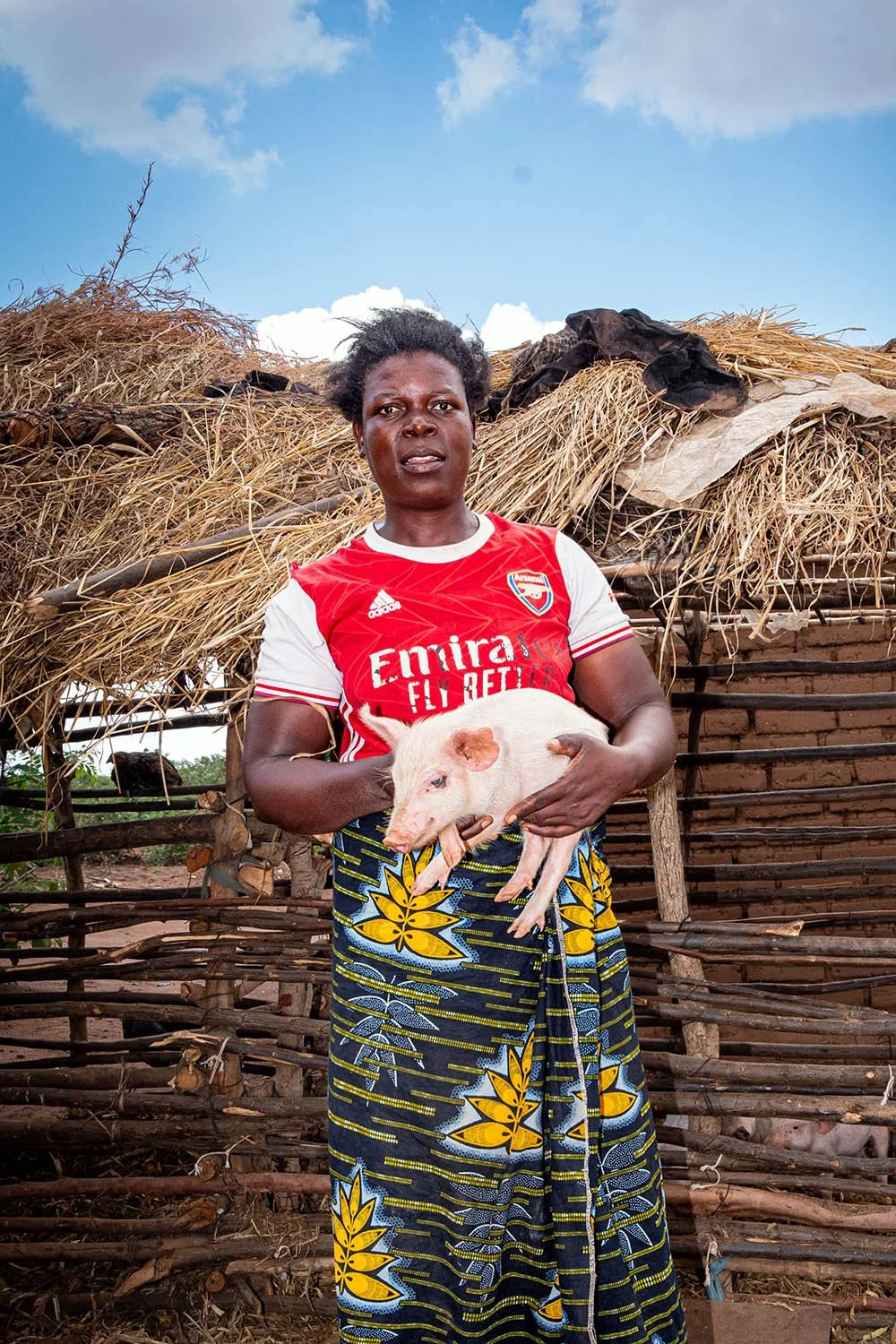
Now when a challenge hits, like a medical emergency or flood, Violet has assets that will act as a buffer so that she and her children are not pushed back into destitution.
Violet is now planning her next venture — a village shop.
Cabbage Power
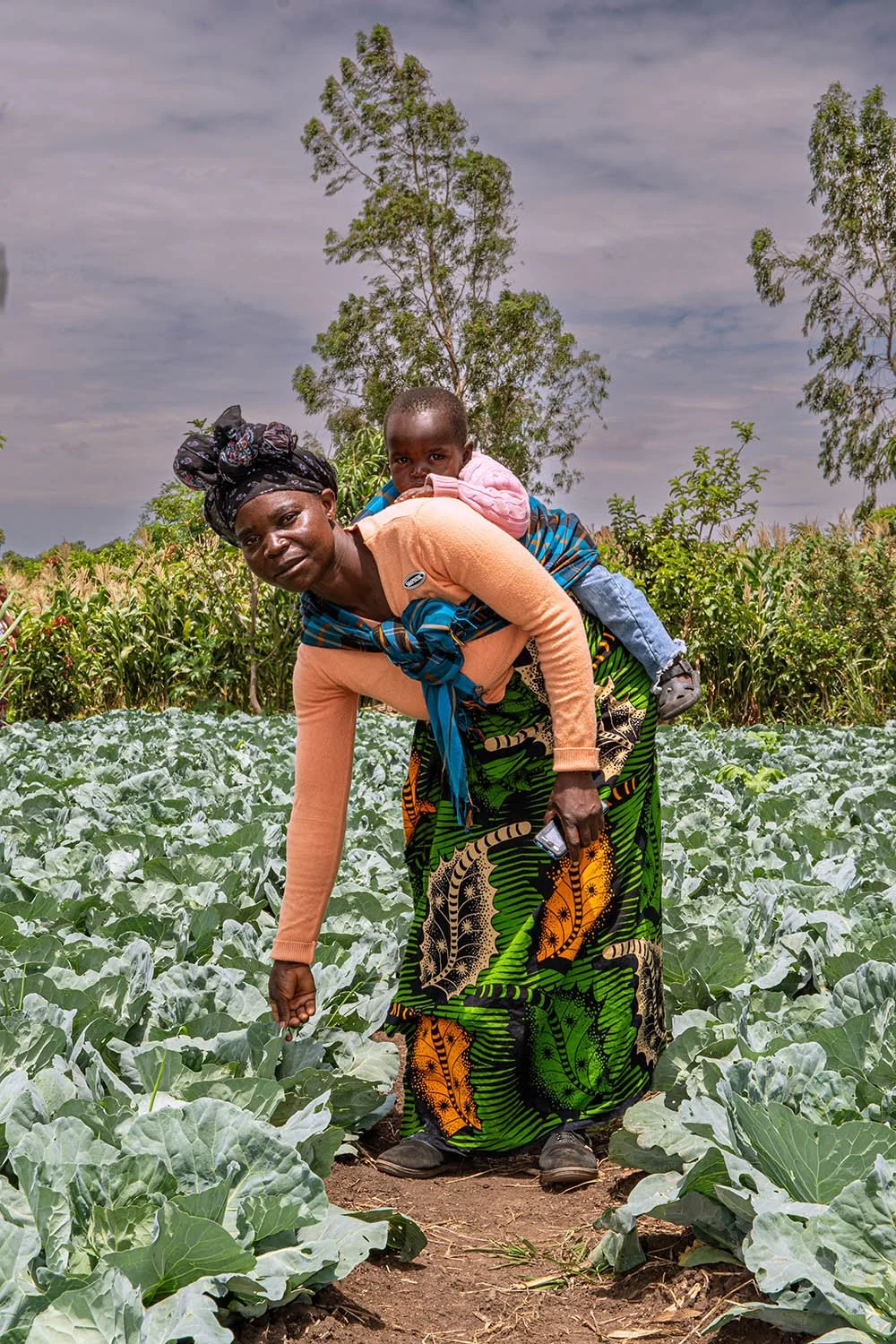
Lyness has become fascinated by business. Through the workshops she has been learning to invest her savings into producing cabbages on a commercial scale. She is excited to be anticipating an income of around £500 from this healthy looking crop.
Inspiring Lead Farmers
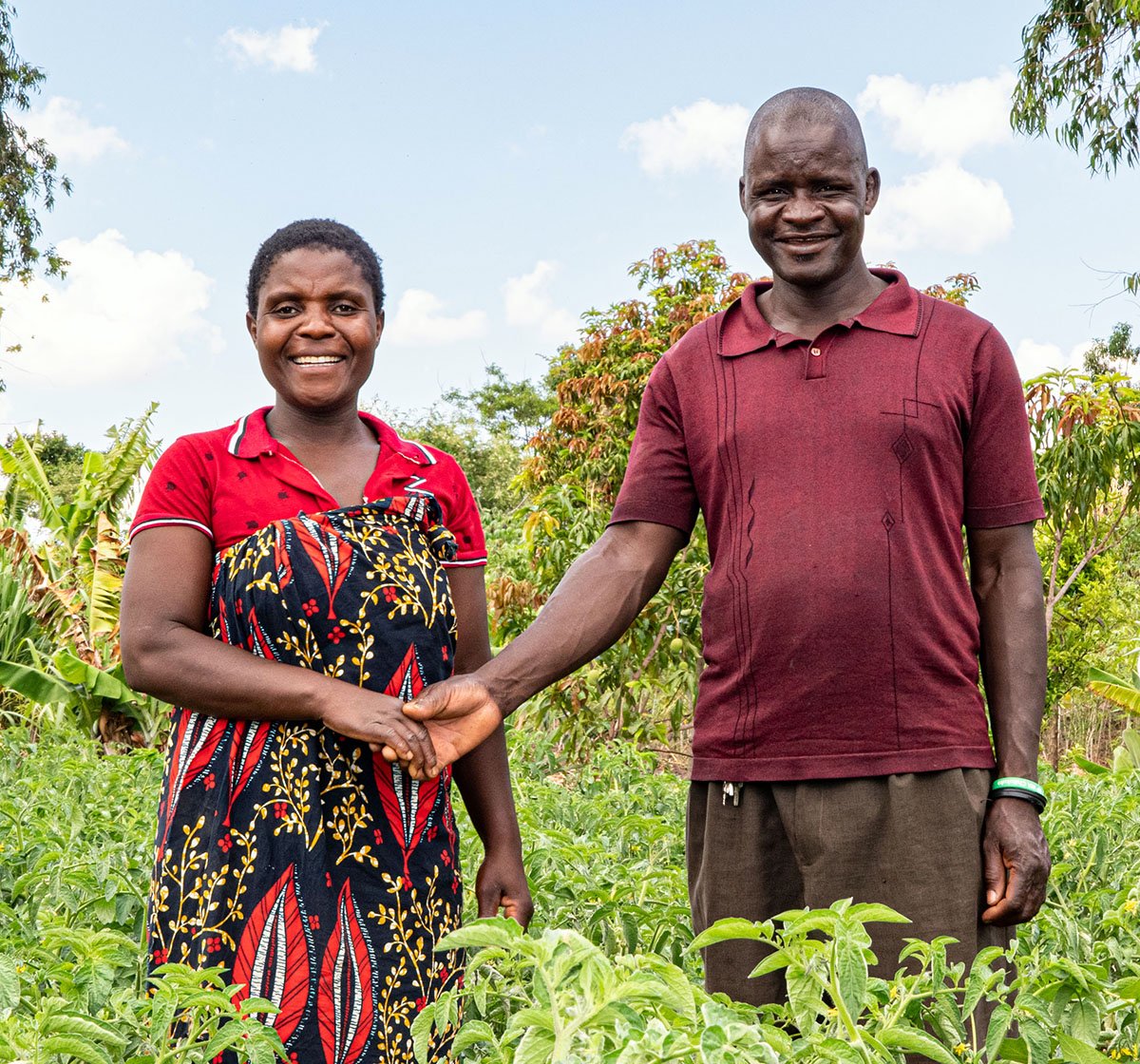
Mr and Mrs Mecayelo are lead farmers. This means that they take what they learn from our partner trainings and share it with others in the community.
They are an inspiring pair, producing a range of lovely, valuable produce, like aubergines, pepper, bananas and other fruit.
To grow all this they have switched to using the organic fertiliser that they learned about in the workshops we funded. The cost of their inputs in 2025 was 80% lower than in the previous year.
In 2025 we supported 1,746 village bank members like Violet, Lyness and the Mecayelo’s with access to informal financial services. A sample of 97 banks generated total savings of MWK290,596,000 in 2025— around £120,000.
With our partners we worked alongside 3,366 people through livelihoods initiatives in 2025, so that they are more able to meet the needs of the households.
SPRODETA Agribusiness
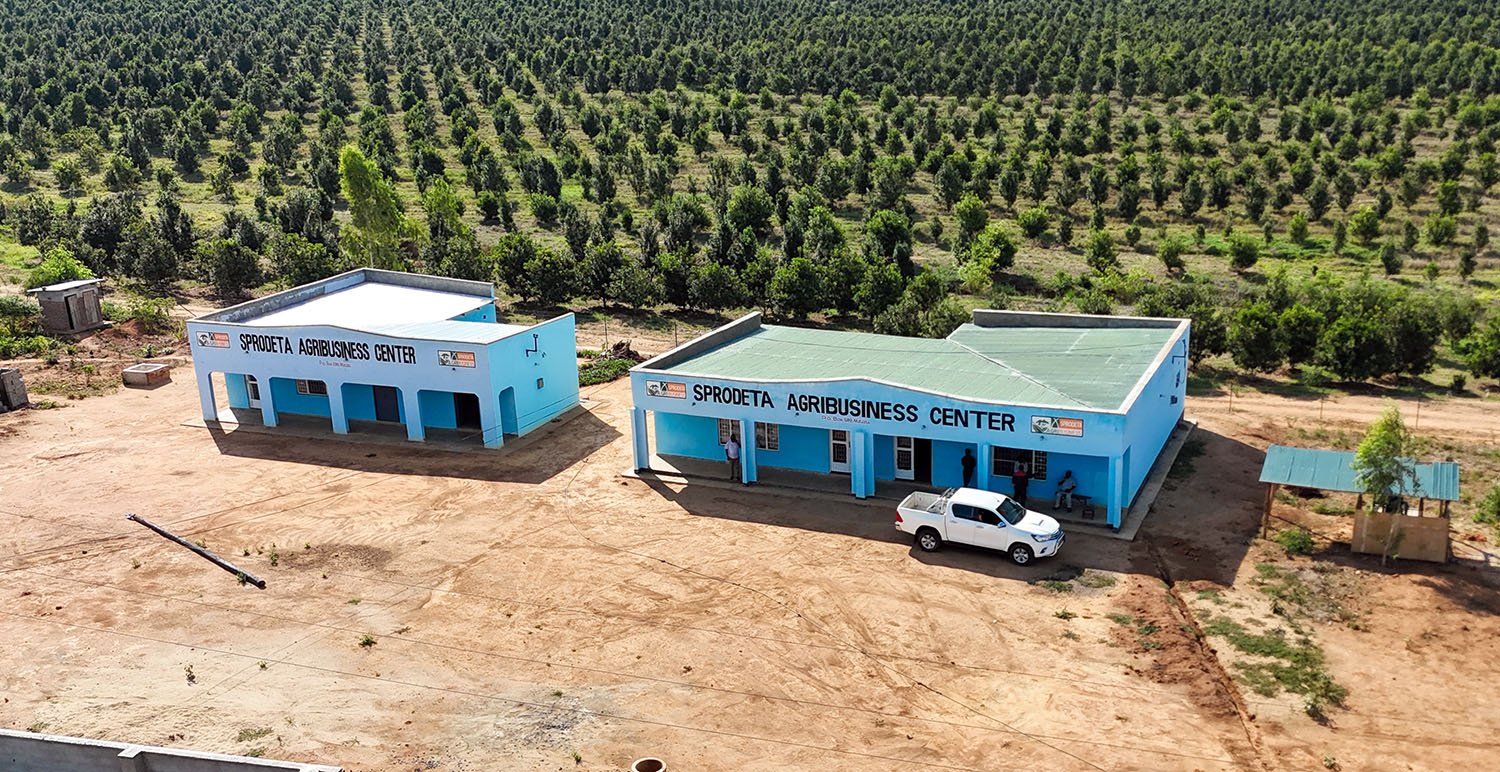
We are working with one partner on a social enterprise that provides training, seed and a market to smallholder farmers, to help them increase resilience.
In 2025 we have been constructing a new warehouse and installing a 10T maize milling machine, so that we can grow the business by adding value to smallholder produce.
In 2025 SPRODETA Agribusiness spent MWK43,940,000 (around £18,000) purchasing maize, rice and beans from rural smallholder farmers.
This is very exciting because the majority of these farmers otherwise don’t have a profitable market for their produce. Being so remote with poor roads and limited access to transport means that having SPRODETA Agribusiness collect produce from collection points in the community and pay fair prices is a game-changer.
Nutrition
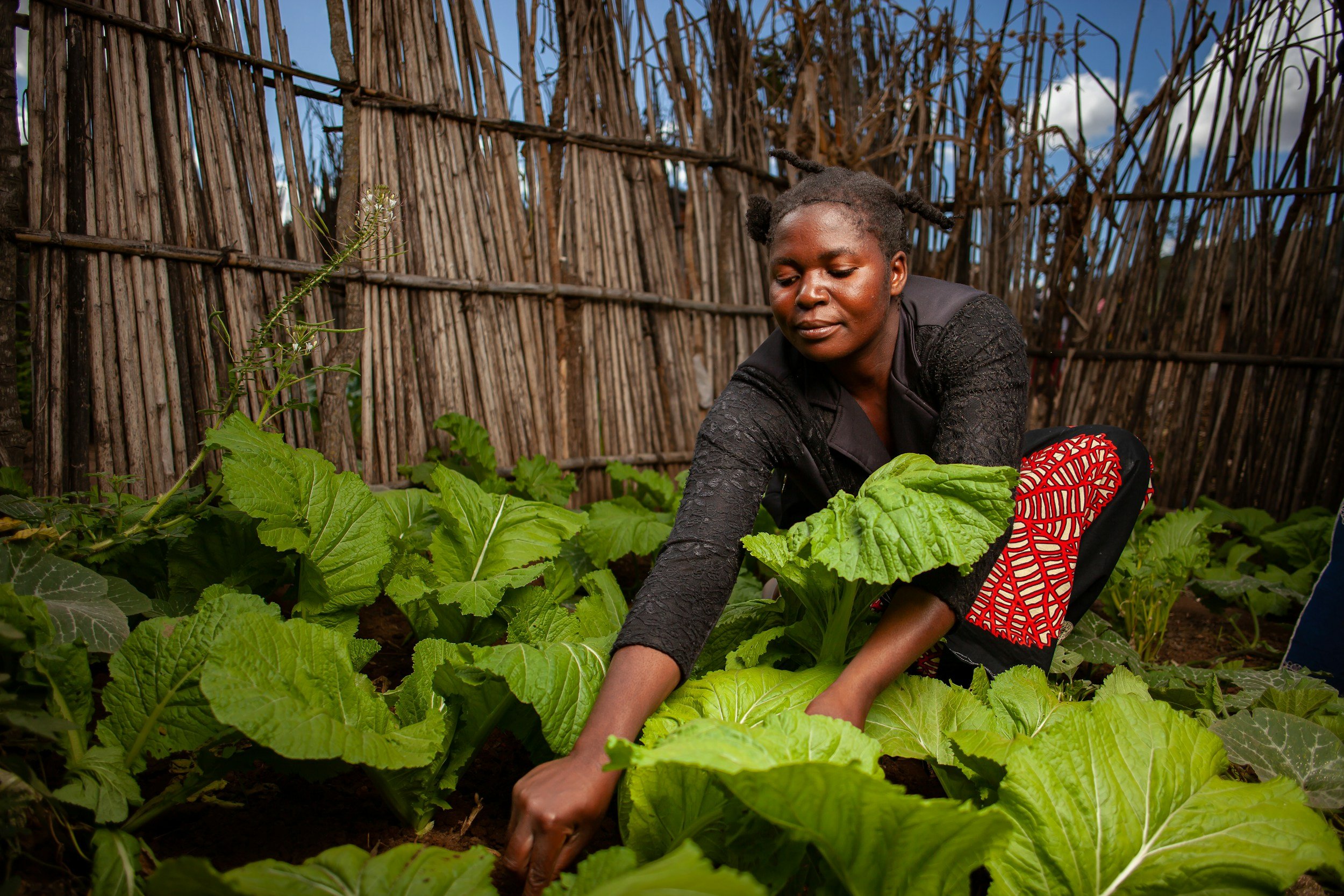
Diet is an important component of our livelihoods work. A child has far greater future prospects if he or she can eat a healthy varied diet from an early age, and avoiding many health complications for a happier and more productive life.
The Village Bank model is great for introducing other valuable initiatives like nutrition workshops.
For example, Grace has been receiving training on how to improve the diet of her 5 children in her Village Bank.
Over the years Grace has become accustomed to a life of poverty. Weather-related shocks like droughts and floods have resulted in poor crop yields, meaning food of any sort is short, let alone a variety of different foods.
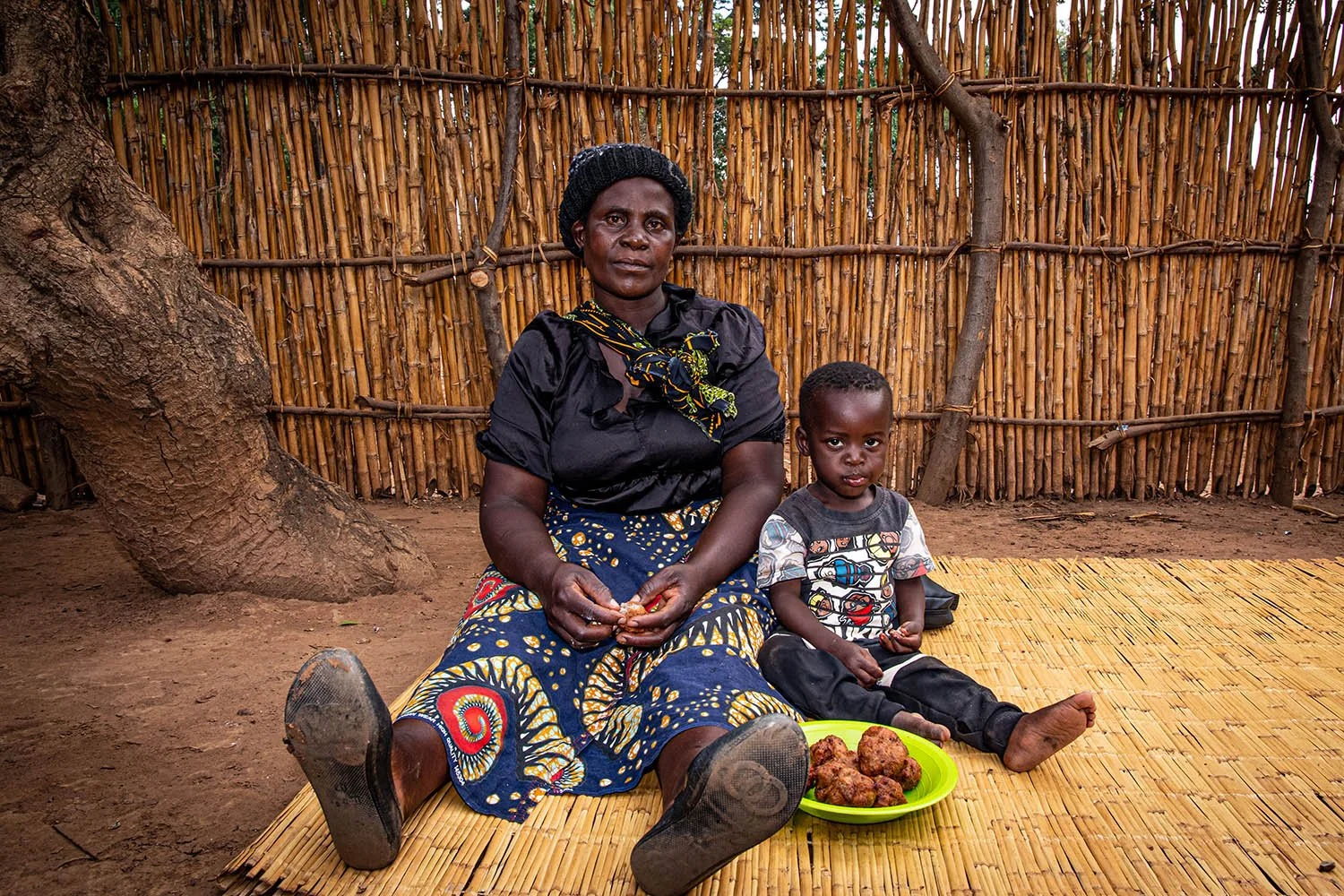
Grace joined Talandila Village Bank, where a workshop on how to prepare different nutritious meals was delivered.
Her favourite dish was bean and pumpkin fritters, and this gave Grace an idea. Not only has she been making the fritters at home, but has launched her own small business selling them in the market. She took a loan from the Village Bank of £60 to get going.
Through her hard work and diligence, the business has generated enough income to buy more assets for the household, like pigs. She is now able to pay secondary school fees for her children.
“I can see the difference in our health after the training. It has changed how I think and how I prepare meals at home”.
Grace now dreams to buy land and build a house on it. There is little doubt she will achieve it.
5. Primary & Early Years Education
If you could increase the future earnings of a child living in poverty by 50%, how would you do it?
We know that a child in Malawi who completes primary education and 1 year of secondary schooling will on average earn 50% more later in life than if they hadn’t.
If they can pursue secondary education further, each year results in an additional 15% earnings increase. One cannot progress to secondary education without completing primary, so helping children compete primary opens a new world of opportunity.
Currently, 73% of children in Malawi do not complete primary school.
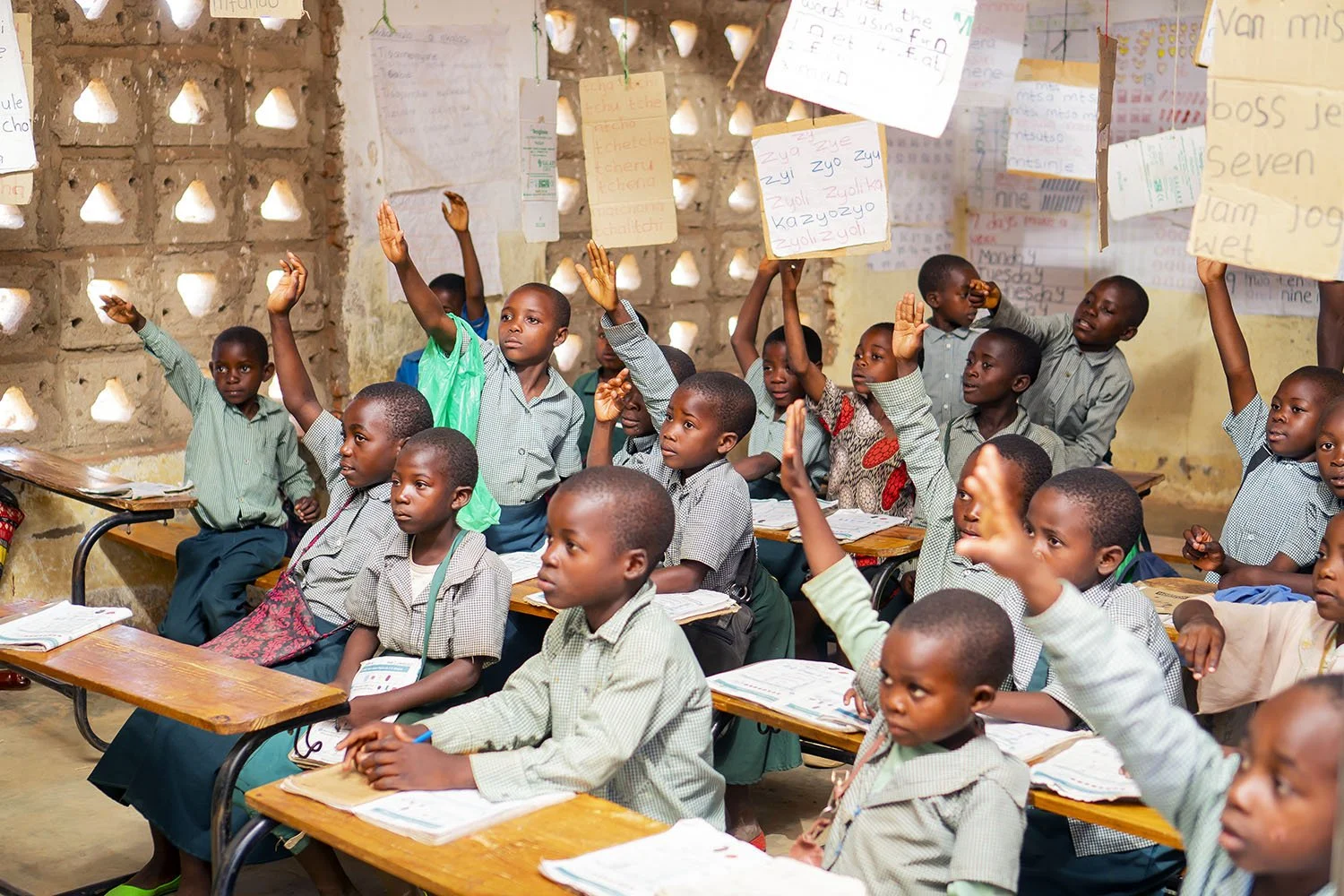
Students at Nthizi Primary where we have been supporting in the last few years. Provision of a daily meal greatly increases attendance as well as a child’s ability to concentrate.
Despite this significant benefit of education, this return on investment in education is low compared to other counties due to the quality of education.
As a result we see investing in increasing both the quality and quantity of primary education as a worthwhile endeavour. If we can increase the years of schooling that children are receiving while helping to improve the quality, we can have a great impact on the further prospects of children living in poverty.
In 2025 we worked with 3 primary schools through our partners, helping them provide a better and more nurturing environment for children, through daily meals for 600 children and improvements to school infrastructure.
134 girls were supported with menstrual hygiene and taught to make re-usable pads. A wash room at Chuza Primary was constructed, which caters for over 1,000 girls and has no such facility.
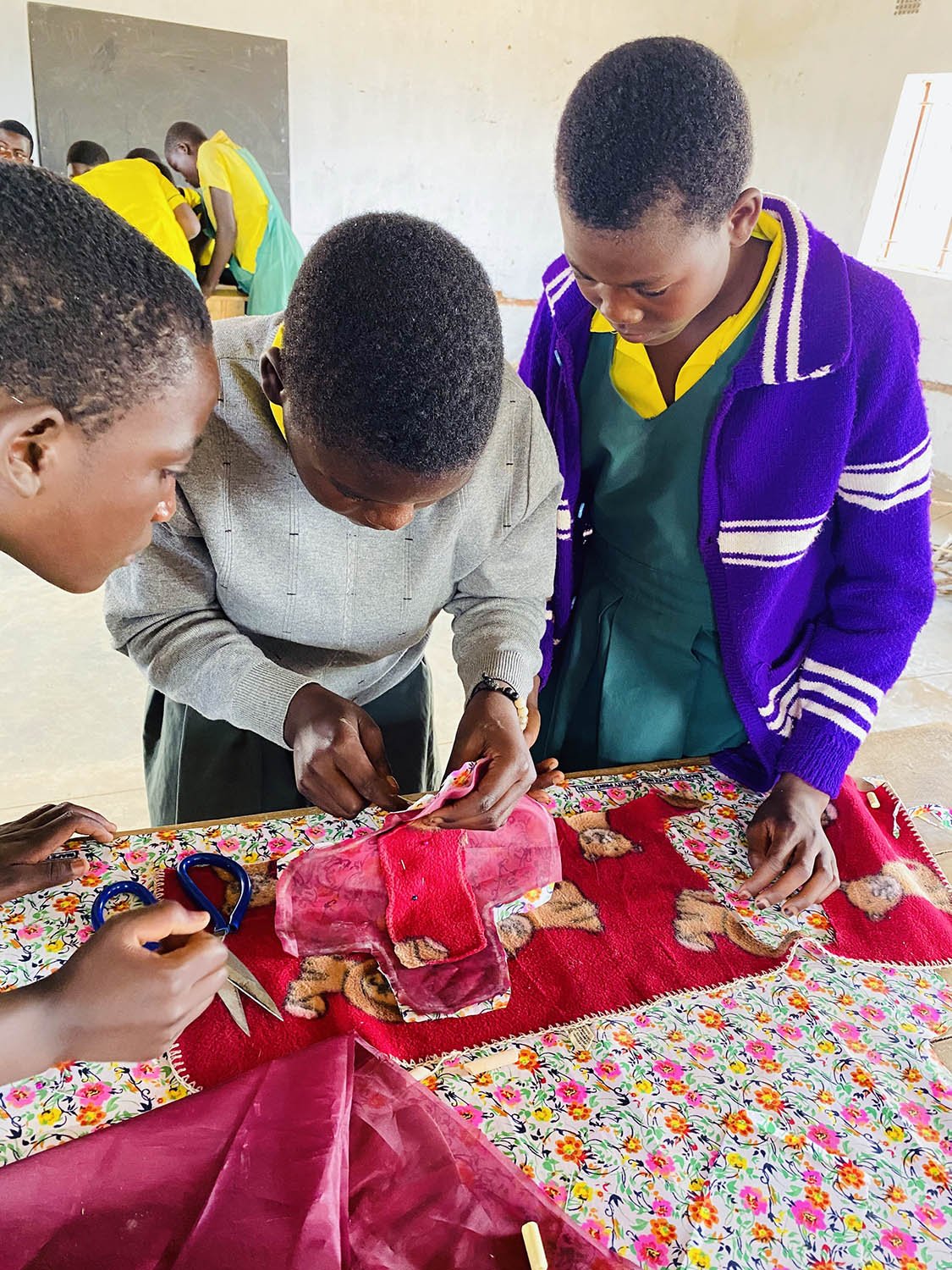
Reusable pad training underway
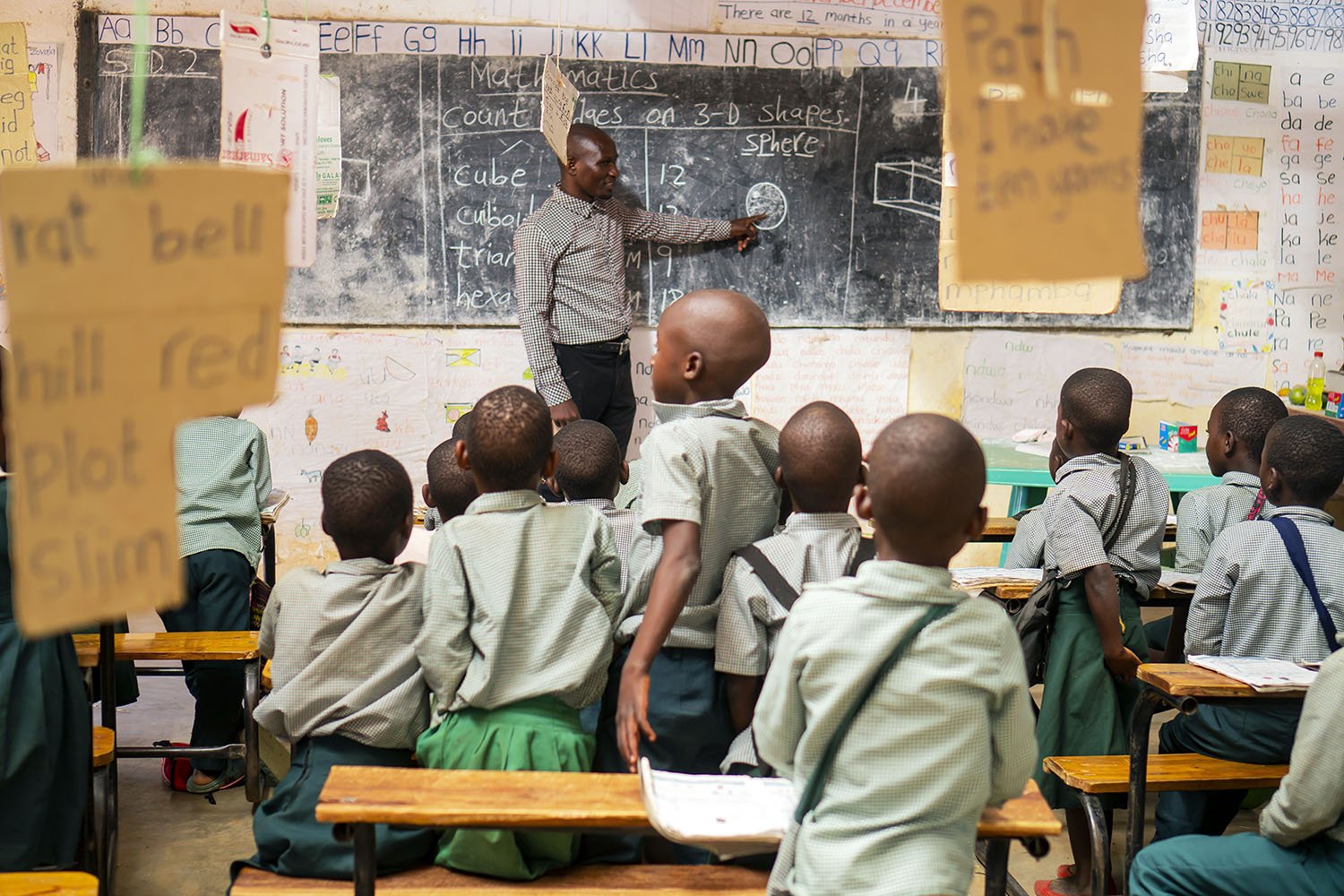
Developing facilities, like water supply and housing for teachers greatly improves the quality of education since teachers are more motivated and it is easier to fill posts, meaning better lessons and smaller classes.
Early Years
Enabling children in rural areas to access early years education is an effective tool for reducing vulnerability. As a result of poverty and agriculture work patterns, children aged 2-4 in rural areas are often left to their own devices in the day time, making them vulnerable to exploitation or abuse, with limited enriching input.
We know that the first 1,000 days of a child’s life are when the brain is being formed at an incredible rate, shaping the way they will see the world growing up. Giving children caring, stable support at such a young age has dramatically positive impacts on them in later life. Attending early years centres also increase chances that children will attend more years at primary.
In 2025 we worked with 3 early years centres, improving infrastructure and providing meals.
This is Tithandizane Community Based Childcare Centre, which currently cares for 84 children and is run by volunteers. Previously sessions were held under a tree, which meant sessions were weather dependent and there was no place to store materials and toys. We provided funding for roofing materials, construction of toilets and purchasing toys and learning materials.
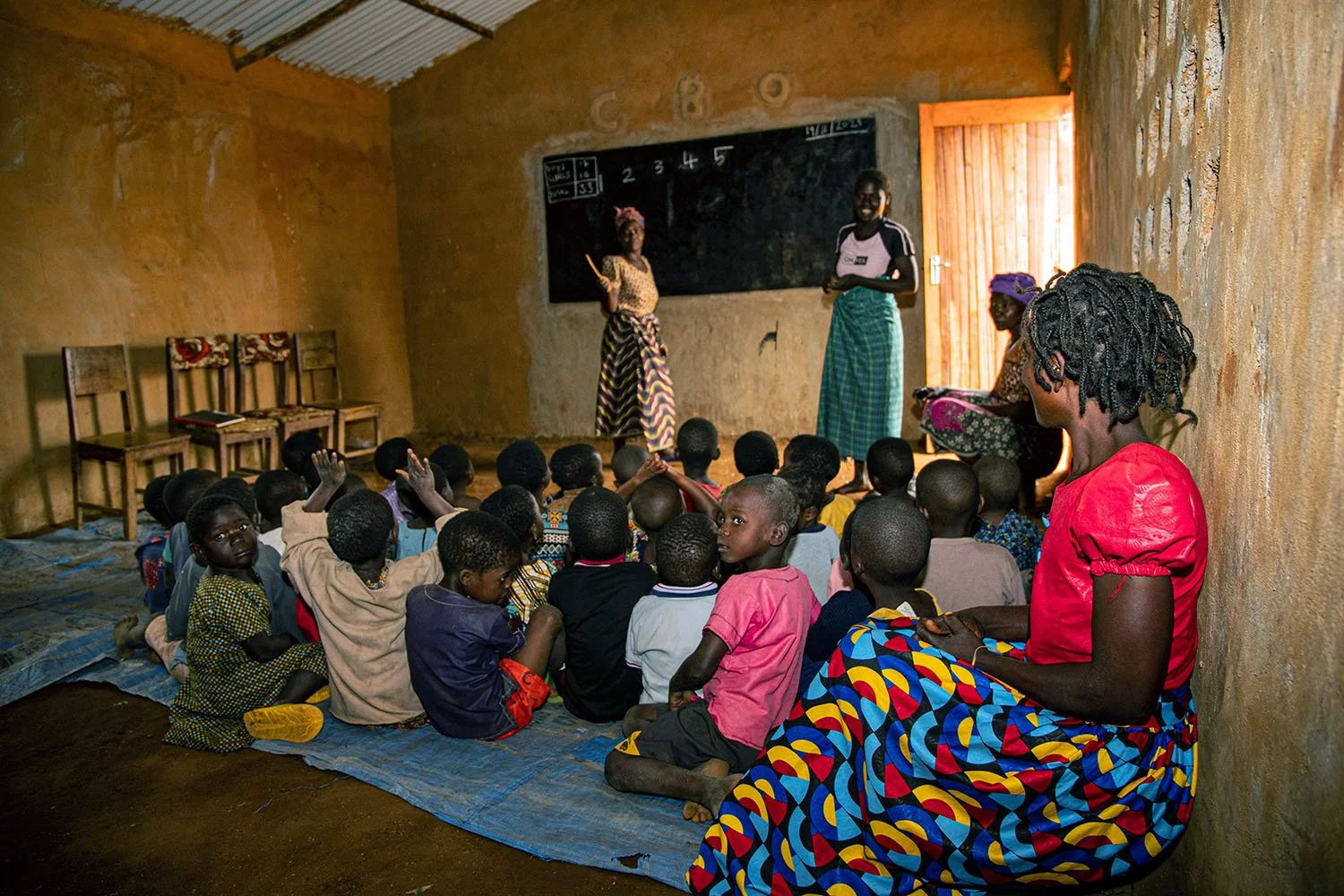
Tithandizane Community Based Childcare Centre was operating outside prior to our support.
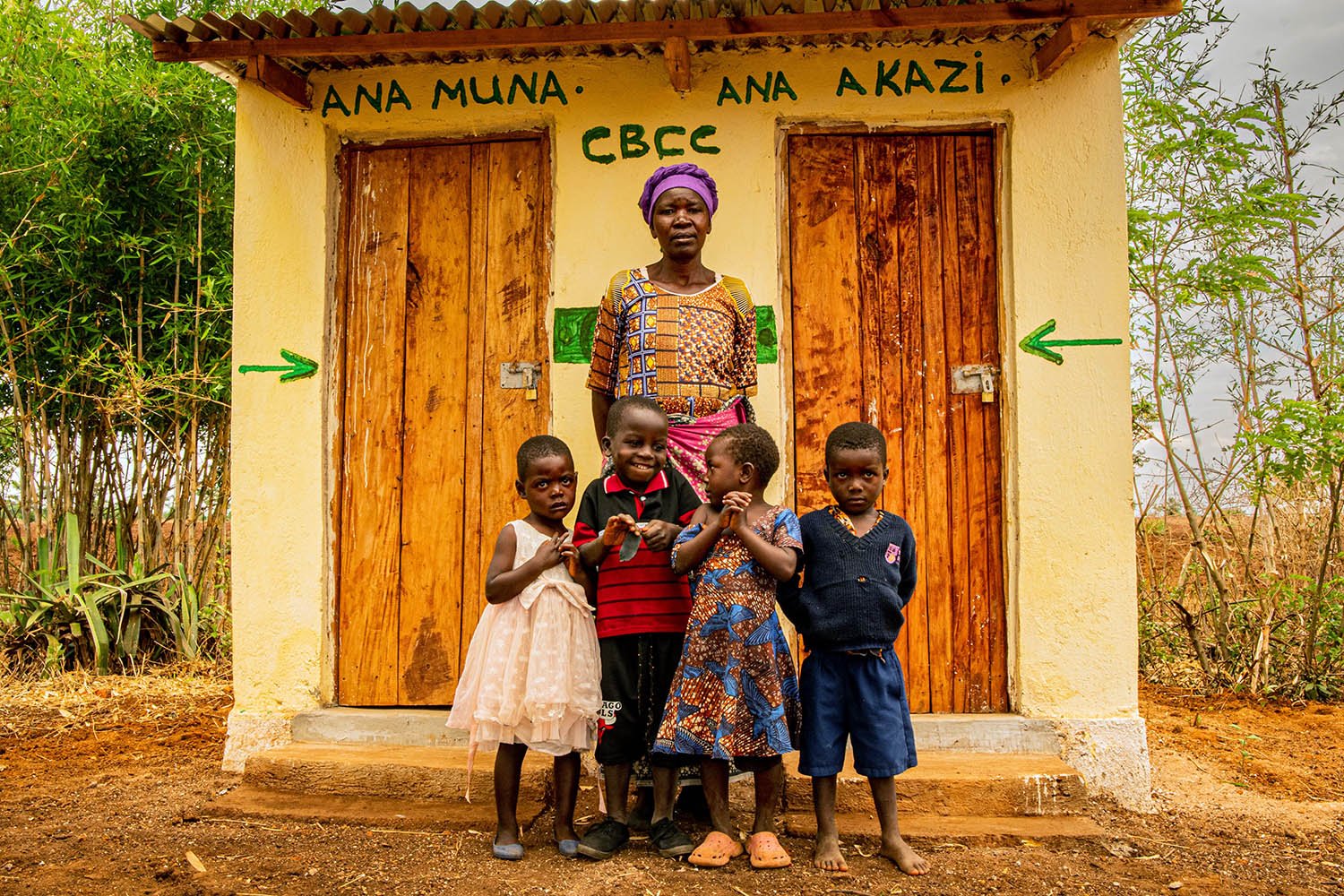
The new toilets at Tithandizane Community Based Childcare Centre .
Start Smart Academy
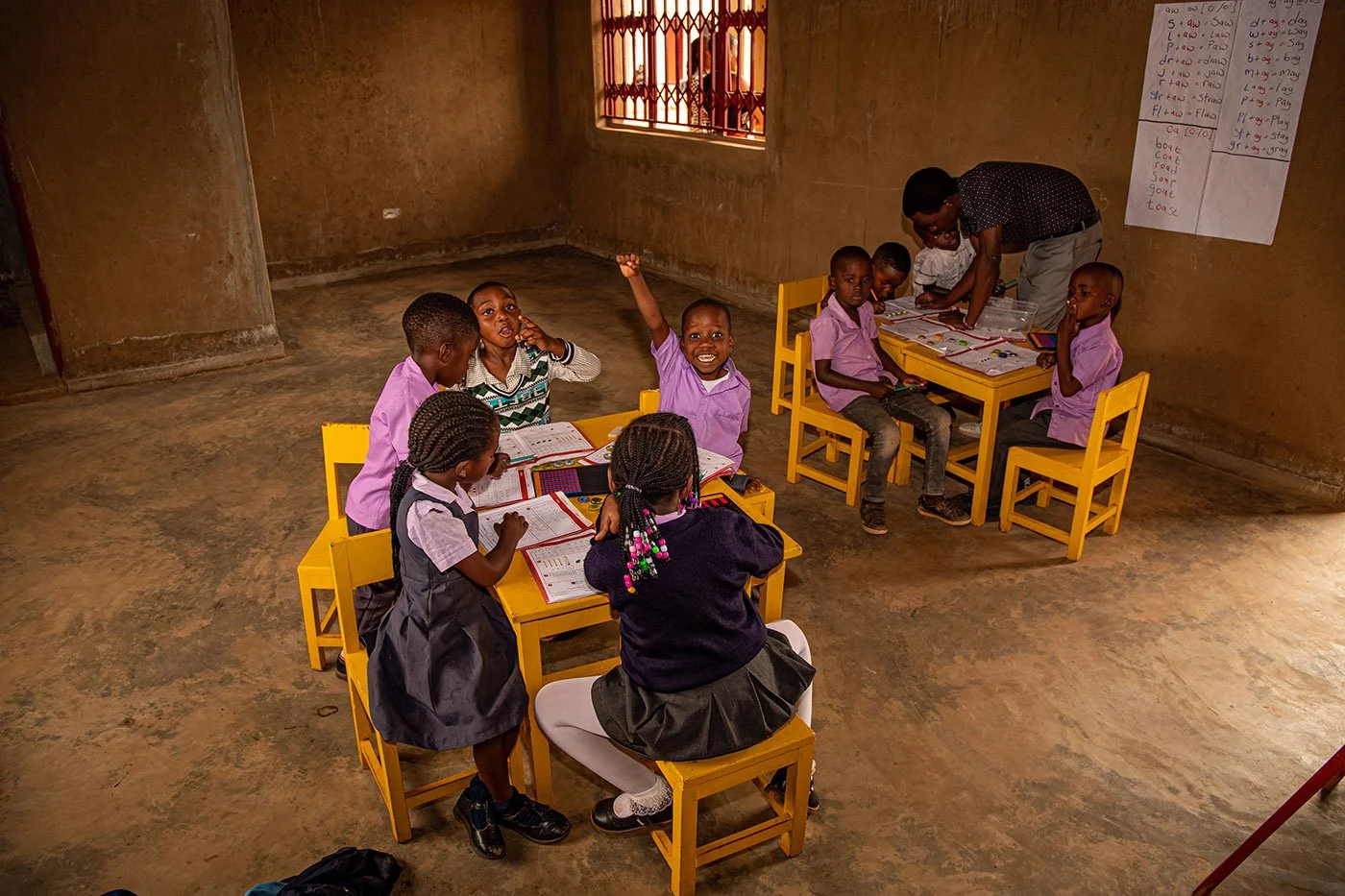
Start Smart is a social enterprise we are working with to find a financially sustainable and replicable model for early years and primary education.
In 2025 we funded further development of the facilities, including a new school block. 90 children ages 2 to 6 are now attending Start Smart.
Of these, 21 are vulnerable children from low-income households in a nearby village, who attend on a subsidised basis.
Meet Temwa, one of these students. He lives with his mum Malita in Kanyama Village, just a little way from Start Smart.
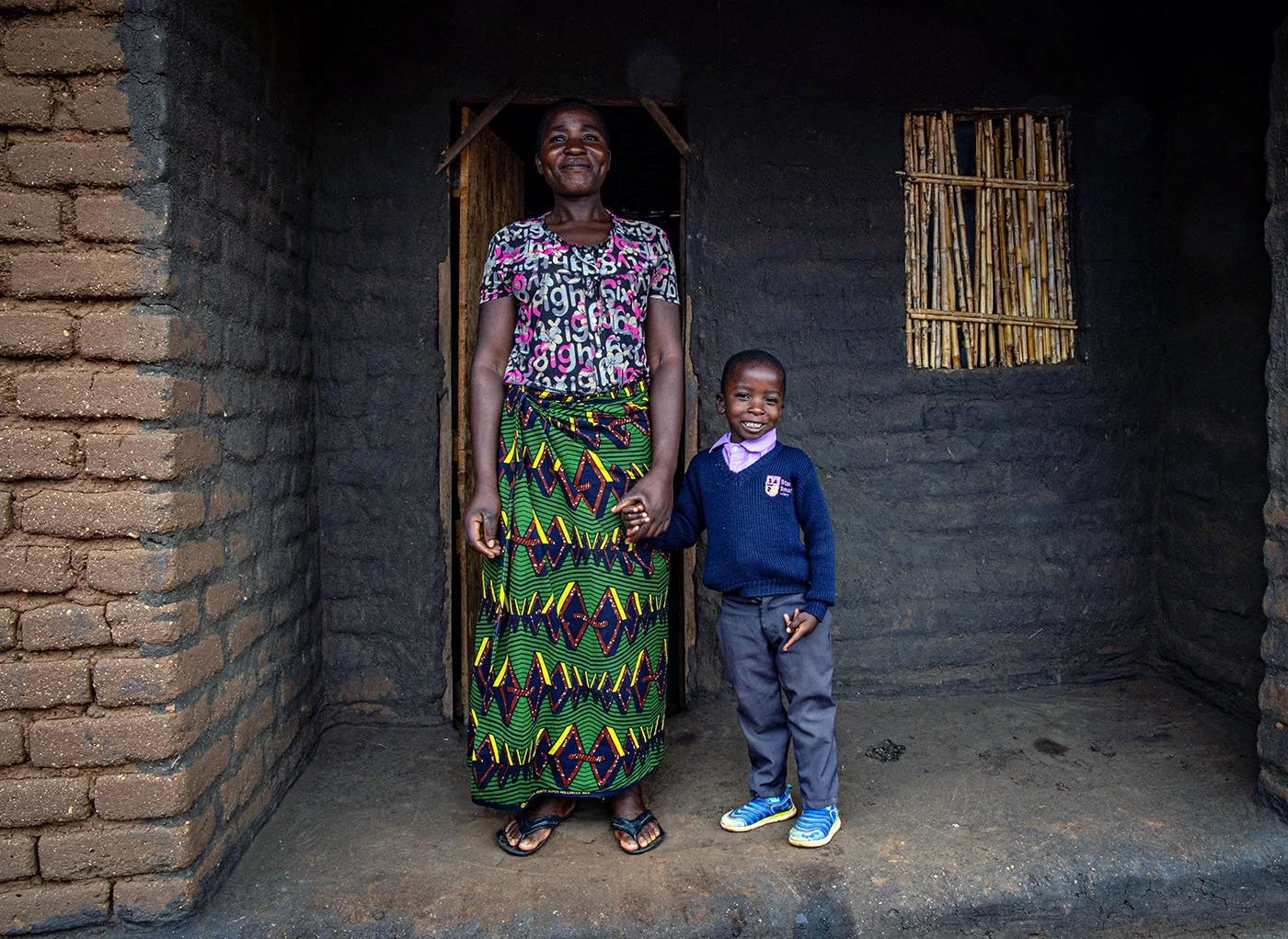
Not only is Temwa now able to spend a few hours a day in a nurturing and inspiring environment, but his mum is also being supported along with other parents.
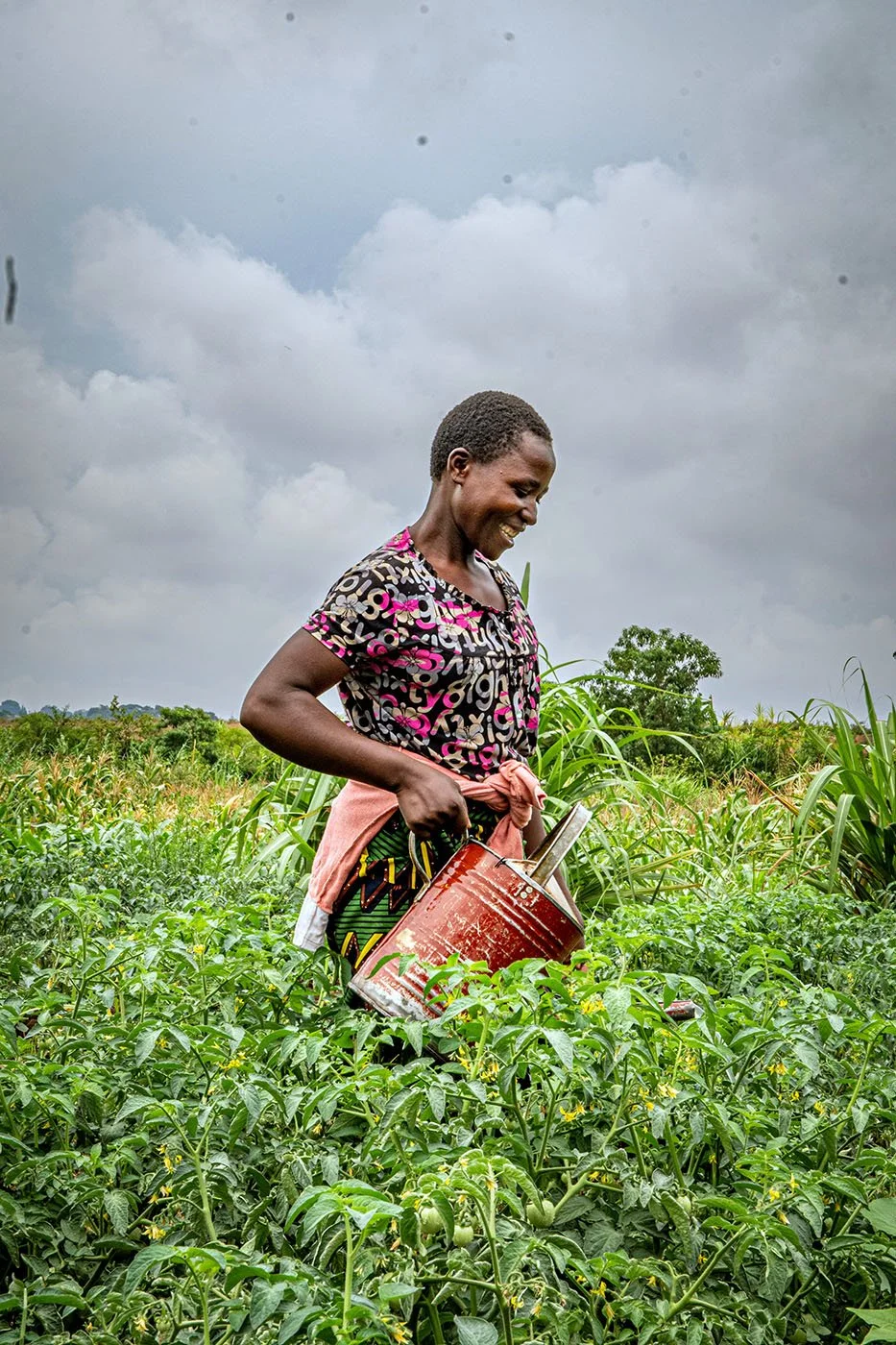
Malita has been helped to invest in tomato farming. She used a loan to purchase seed and manure, and says the training created a turning point. Learning to keep records and calculate how to price her produce for a profit has enabled her business to start growing.
Today Malita can buy soap, food and clothes for her 2 children, and is so happy to see them clean, healthy and happy.
6. Local Support
In 2024 we were delighted to be able to provide support amounting to £24,600 to the following charities supporting children and young people in Guernsey:
Friends of Frossard Children’s Ward
We are always on the look out for organisations changing the world for families and children in Guernsey. Do get it touch if you know of an organisation that might benefit from our support.
7. Fundraising
Hope Store
Are you bored of shopping online? Do you long for the experience of touching and smelling beautiful products with happy helpful people to assist you?
Hope Store is our shop on the High Street. As well as purchasing from rural artisans in Malawi, Ethiopia and elsewhere, we stock natural and ethically sourced products from all over.
We are also jolly excited to be working on some local partnerships, and are proud to stock local art and soap, with more in the pipeline.
Visit us for a rare opportunity to purchase wonderful natural products for your home and body from around the world, right here in Guernsey.
You wont find most of our products for sale online in the UK. They are truly unique. Come in and see for yourself.
The £5 Lottery Club
The £5 Lottery Club is Guernsey’s most rewarding regular prize-winning opportunity. We love sending out thousands of pounds to happy winners every single month. In 2025 our members won a over a total £55,000 in prizes.
The club is an engine that keeps Hope for a Child running, enabling us to meet core costs and invest in communities in Malawi. With the proceeds we also support organisations benefiting children in Guernsey.
There are currently around 4,500 numbers in the monthly draw — raising over £200,000 over the year.
The draw takes place on the 23rd of each month when 100 winning numbers are drawn, including a top prize of £1,000 - except in May, September and November when the top prize is boosted to £3,000!
And that’s not all — we also have a special Christmas draw to win £5,000!
Find out more and join the waiting list HERE (we will be opening the doors to new members soon)
The Big Summer Lottery
The Big Summer Lottery 2025 was a wonderful fundraiser and our most successful draw yet.
It was our biggest ever prize pool worth a total of £190,000, including a top prize of £100,000.
The draw raised over £365,000 for Hope for a Child, which we are using to invest in communities in Malawi, meet our core operating costs (like staff salaries and rent) and support charities benefiting children in Guernsey.
Here are some words from the delighted top prize winner of £100,000:
“I would like to say a massive thank you to all the lovely people at Hope for a Child. You all work tirelessly to make a difference to enrich the lives of children in Malawi and families here in Guernsey.
With all your hard work and dedication these children and families can continue to flourish.
It will take a very long time to get over the shock of the phone call I received Friday night from Kris asking me if I was sat down as he was advising me that I had won £100,000.
I lost my husband in 2022 and we have one child and therefore this will go towards a deposit for a mortgage for which I never imagined would ever be a possibility for her.
There truly is not enough words to say how grateful I am to you all.”
Special Thanks
We could not have achieved any of the above without our wonderful partners in Malawi, who implement this work in their communities. Our impact is only as a good as the quality of our relationships, so we are thankful to be able to maintain transparent and collaborative relationships with our parters.
We are also indebted to our staff team and Board of Directors in Guernsey, who work passionately and tirelessly ensure Hope for a Child is effective and well governed.
And of course, a big thanks to you — without the generosity of our supporters we could achieve very little. If you donated, took part in The Big Summer Lottery, The £5 Lottery Club or purchased something from Hope Store in 2025, we can’t thank you enough.
Don't miss out on upcoming events and success stories:
Questions, comments or suggestions? We would love to hear from you. Email: tom@hope.gg
Hope For a Child is a charity registered in Guernsey No: 291